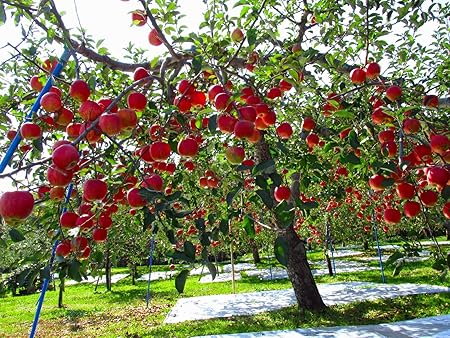
Showing posts with label DAS Farms. Show all posts

Thursday, April 24, 2025

Fuji Apple Tree - Grow Fresh Fruit - Live Plant Shipped 3 Feet Tall by DAS Farms: In-Depth Review


The Fuji Apple Tree offered by DAS Farms is a live, well-established plant that arrives at approximately three feet tall, making it an appealing choice for gardeners who want to fast-track their way to growing fresh fruit at home. Known for their crisp texture and sweet flavor, Fuji apples are a favorite among both home growers and commercial orchardists. This tree from DAS Farms promises not only delicious fruit but also a smooth planting and growing experience for both beginners and seasoned growers alike.

Initial Impressions and Shipping

One of the first things buyers will notice is the condition in which the tree arrives. DAS Farms takes pride in shipping live plants, and the Fuji Apple Tree is no exception. It arrives securely packaged to minimize any damage during transit, with a healthy root system and well-formed trunk. The tree is dormant during certain seasons, which is normal for shipping and helps reduce transplant shock. It typically comes bare root or in a pot depending on the time of year, and it's ready to plant upon arrival.

Buyers can expect a three-foot-tall tree, which offers a great head start compared to smaller saplings. This more mature size means the tree is closer to fruit-bearing age, usually within one to two years after planting, depending on care and climate conditions.

Planting and Growing Conditions

The Fuji Apple Tree thrives in USDA hardiness zones 5 through 9, which covers a large portion of the United States. It prefers full sun exposure and well-draining soil, which helps it develop a strong root system and produce high-quality fruit. Before planting, it's important to choose a site with good air circulation and plenty of light. The tree should be planted in early spring or fall for the best establishment results.

When planted correctly, the tree begins to establish itself quickly. Regular watering is crucial during the first growing season, but it should not be overwatered. Once established, the tree becomes more drought-tolerant, although consistent watering will always improve fruit production.

This variety typically grows to a mature height of 10 to 15 feet if left unpruned, though it can be maintained at a smaller size with regular pruning. Pruning not only helps control its size but also encourages stronger limbs and more fruitful growth.

Fruit Production and Quality

The hallmark of the Fuji Apple is its flavor. These apples are known for being exceptionally sweet, with a dense, crisp flesh that stores well for long periods. They're perfect for eating fresh, but also excel in baking and making cider or preserves.

Fruit production typically begins once the tree is about three to five years old, though a tree of this size and maturity from DAS Farms may bear fruit sooner. The harvest season for Fuji apples is usually in late fall, and the apples tend to hang on the tree well without dropping prematurely.

It's worth noting that Fuji Apple Trees are not self-pollinating. To ensure good fruit set, a compatible pollinator such as a Granny Smith, Gala, or Red Delicious apple tree should be planted nearby. This detail is often overlooked but is essential for gardeners who want to enjoy a full crop.

Maintenance and Care

Maintenance for the Fuji Apple Tree is relatively straightforward. It benefits from annual pruning to maintain shape and remove dead or diseased wood. Regular fertilization in early spring and mid-summer will support strong growth and abundant fruiting. Keeping the area around the base free of weeds and mulch helps retain moisture and prevents competition for nutrients.

Pest control may be necessary, as apple trees can attract common pests such as aphids, codling moths, and apple maggots. However, with proactive care, such as neem oil sprays or insect traps, these issues can usually be managed without resorting to harsh chemicals.

Longevity and Overall Value

This Fuji Apple Tree from DAS Farms is an excellent long-term investment for anyone interested in homegrown fruit. With proper care, it can live and produce fruit for decades. The initial cost is offset by the years of fruit harvests, not to mention the enjoyment and satisfaction of growing your own apples.

Whether you're adding it to an existing orchard or planting your very first tree, this product offers a strong start. DAS Farms provides a healthy, vigorous tree that’s ready to establish itself in your landscape and begin its journey toward becoming a fruitful centerpiece.

Final Thoughts

The Fuji Apple Tree – Live Plant Shipped 3 Feet Tall by DAS Farms stands out as a high-quality, well-prepared plant that promises excellent results for the home gardener. From shipping and packaging to planting and fruiting, it checks every box for reliability, health, and potential productivity. With the right conditions and a little care, this tree can become a prolific fruit producer and a cherished part of your garden for years to come.

Get Your Fuji Apple Trees On Amazon!

Wednesday, November 20, 2024

In-Depth Review: Gala Apple Tree - Grow Fresh Fruit - Live Plant Shipped 3 to 4 Feet Tall by DAS Farms


Introduction

If you're looking to grow your own fresh, delicious apples right at home, the Gala Apple Tree offered by DAS Farms could be a great choice for you. The Gala apple, known for its sweet and mildly tangy flavor, is one of the most popular varieties for home gardens due to its hardiness, relatively easy care, and high-quality fruit. DAS Farms offers the Gala Apple Tree as a live plant shipped directly to your door at a height of 3 to 4 feet. In this review, we’ll dive deep into the features, benefits, and potential drawbacks of this particular plant offering from DAS Farms.

Overview of DAS Farms

DAS Farms is known for providing high-quality fruit trees that are shipped with care to ensure their best chance of survival in your garden. The company prides itself on offering well-established trees with healthy roots and ample support for new growth. Their trees come in a variety of fruit types, including apples, peaches, and plums, making them a great choice for gardeners looking to create a diverse orchard at home.

What Makes the Gala Apple Tree Special?

Gala apples are prized for their crisp texture and balanced flavor, which combines sweetness with a slight tang. Gala apple trees are among the earliest to bear fruit in the apple-growing season, which makes them particularly attractive to home gardeners who want an early harvest. Here are some key reasons why the Gala Apple Tree stands out:

  1. Early Harvesting: Gala apples are one of the earliest apple varieties to ripen, typically ready for picking in late summer or early fall, depending on your climate zone.
  2. Ease of Growing: Gala apple trees are relatively low-maintenance and can thrive in a variety of climates, making them ideal for both beginners and experienced gardeners.
  3. Disease Resistance: This variety has a good resistance to common apple tree diseases, such as apple scab and fire blight, which helps reduce the need for chemical treatments.
  4. Pollination: Gala apple trees are self-pollinating but tend to produce better yields when planted near other apple varieties. DAS Farms recommends planting a second variety for optimal pollination.

Unboxing and Arrival: What to Expect

When ordering the Gala Apple Tree by DAS Farms, customers can expect the tree to arrive well-packaged to protect it during transit. DAS Farms ships their trees in sturdy boxes with proper padding and moisture retention to ensure the plant arrives in good health. Upon unboxing, you’ll find the tree has a well-developed root system, and the trunk and branches should show healthy, vibrant growth.

Packaging:

The tree is typically shipped in a dormant state, meaning it may appear bare or with minimal leaves at first. However, this does not indicate poor health. It’s simply part of the plant’s natural cycle. The packaging should include detailed care instructions to guide you through the planting process.

Size:

At 3 to 4 feet tall, this Gala apple tree is already in a good stage of development for planting. It’s not too young, which means it has likely already been established in a nursery environment and has a solid root system. This size is ideal for transplanting into a home garden because it won’t require an excessive amount of care during the initial phase of growth.

Planting and Growing: How to Care for Your Gala Apple Tree

When your tree arrives, it’s important to transplant it into a well-prepared site promptly to avoid any transplant shock. Here are some steps and tips on how to care for your new Gala apple tree:

  1. Choosing the Right Location:

    • Sunlight: Gala apple trees thrive in full sun, so choose a spot that gets at least 6 to 8 hours of direct sunlight per day.
    • Soil: The tree prefers well-draining soil with a slightly acidic to neutral pH (around 6.0 to 7.0). Sandy loam is ideal, but it will adapt to a range of soil types.
    • Space: Ensure the tree has plenty of space for its roots and branches to spread. Gala apple trees typically grow to about 10-12 feet tall and wide, so spacing them at least 8-10 feet apart from other trees is recommended.
  2. Planting:

    • Dig a hole that’s about twice as wide as the root ball but just as deep. Place the tree in the hole and spread the roots gently to avoid them being cramped.
    • Backfill with soil and water thoroughly. Make sure the tree is planted at the same depth as it was in its container to avoid root rot.
    • Apply mulch around the base to retain moisture and regulate temperature.
  3. Watering:

    • Gala apple trees are moderately drought-tolerant but require consistent watering, especially during the first few years. Ensure the soil remains moist but not waterlogged.
    • Deep watering is recommended to encourage strong root growth.
  4. Fertilizing:

    • Apply a balanced fertilizer in the spring and again in late summer. Organic options, like compost, work well too. Be careful not to over-fertilize, as this can lead to excessive leaf growth at the expense of fruit production.
  5. Pruning:

    • Prune your tree regularly to remove dead or damaged branches and to encourage a strong framework. Pruning can also help with airflow, reducing the risk of disease.
    • Early spring or late winter is the best time for pruning before new growth begins.
  6. Pest and Disease Management:

    • Gala apple trees are relatively resistant to common diseases but keeping an eye on pests like aphids, mites, and apple maggots is essential. Organic insecticidal soap can help control pests if necessary.
    • Regularly check for signs of apple scab or fire blight and treat accordingly with eco-friendly solutions.

Fruit Production and Harvesting

Gala apples begin to bear fruit in 2 to 3 years if the tree is well-established, making them a great choice for gardeners eager to see results in a relatively short period. The apples typically ripen in mid to late summer, depending on your location and climate. The apples are small to medium-sized, with a red and yellow skin, and have a crisp, sweet flavor with a mild tang.

Tips for a Bountiful Harvest:

  • Thin out excess fruit in the early stages to allow for larger, healthier apples. Too much fruit can cause the tree to underproduce or result in smaller apples.
  • Regularly check for ripeness. Gala apples are ready when their skin turns a deep red and they come off the tree easily when gently pulled.

Pros of the Gala Apple Tree from DAS Farms

  1. High-Quality Plant: The tree arrives healthy and well-established, giving you a head start on growing your own apples.
  2. Easy to Grow: With minimal care requirements and resistance to common diseases, this tree is an excellent option for beginners.
  3. Quick Fruit Production: Gala apple trees start bearing fruit early, so you can enjoy your harvest in a few years.
  4. Great Flavor: The apples are sweet, crisp, and perfect for eating fresh, making them a versatile addition to your home orchard.

Cons of the Gala Apple Tree from DAS Farms

  1. Self-Pollination May Not Be Enough: While Gala trees can self-pollinate, you may see better results with cross-pollination. This could mean planting another apple variety nearby.
  2. Vulnerable to Certain Pests: Despite being disease-resistant, Gala apple trees can still attract pests, so vigilance is necessary.

Conclusion: Is the Gala Apple Tree from DAS Farms Worth It?

If you’re looking for a reliable, easy-to-grow fruit tree that produces tasty, sweet apples in a few years, the Gala Apple Tree by DAS Farms is an excellent choice. With its vibrant flavor, relatively low-maintenance care needs, and strong resistance to disease, this tree is a great addition to any home garden, whether you're an experienced gardener or just starting out. The 3 to 4 feet tall tree shipped by DAS Farms offers a solid starting point, giving you the best chance of success as you grow your own fresh fruit.

So, if you're ready to begin your apple-growing journey, the Gala Apple Tree from DAS Farms is a fantastic choice that brings both early fruit production and the joy of homegrown, fresh apples.

Get Your Gala Apple Trees On Amazon!

Greenworks 40V 16” Cordless Snow Blower — In-Depth Review

Overview The Greenworks 40V 16” Cordless Snow Blower with the included 5.0Ah battery and charger is a compact, battery-powered single-sta...